Governance
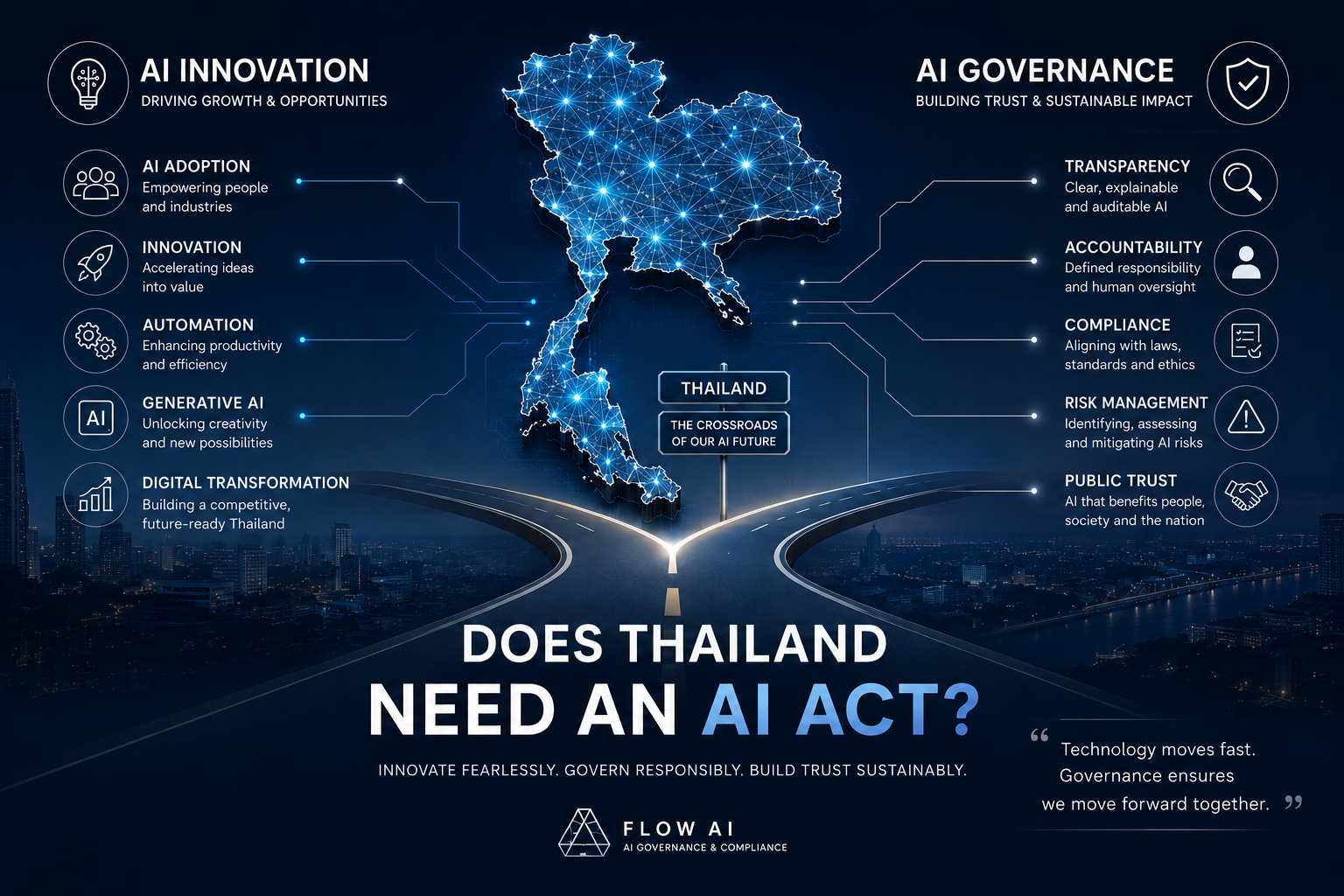
Does Thailand Need an AI Act?
As AI adoption accelerates in Thailand, should the national conversation move beyond access and skills toward clearer AI governance, accountability, and regulation?
Read ArticleINSIGHTS
Insights and executive perspectives on governance, compliance, technology law, and the responsible adoption of emerging technologies—with artificial intelligence as the current priority domain.
EXPLORE BY CATEGORY
ALL INSIGHTS
Governance
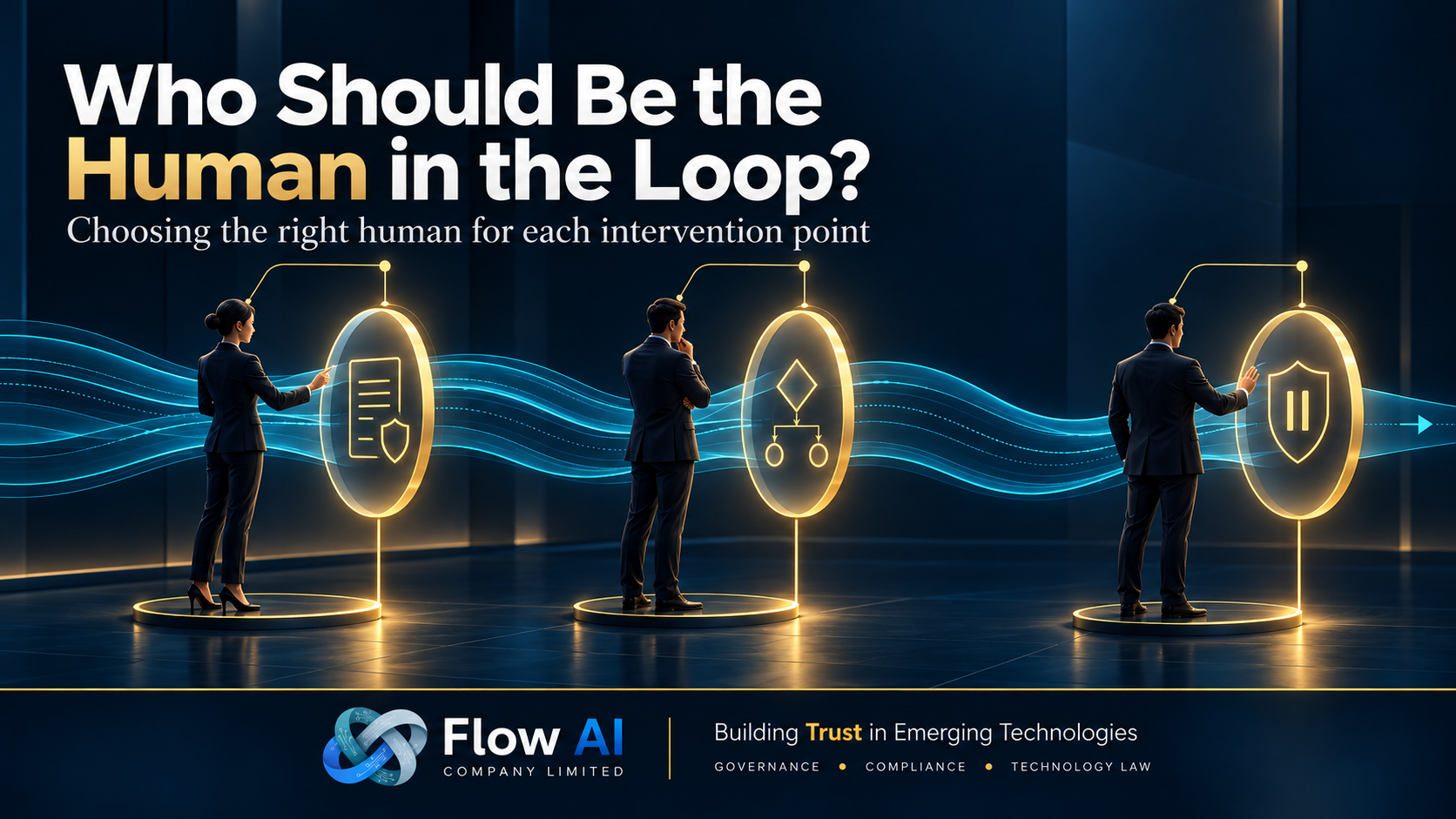
Effective human oversight depends not only on having a person in the loop, but on choosing the right person for each intervention point, with competence, authority, judgment, and intervention capability.

Leadership & Strategy
Day 2 at Big Data LDN 2026 in London, it combined two valuable perspectives: continuing to attend sessions on AI and Data Governance, while also exploring demonstrations of different Data & AI platforms across the exhibition.

Leadership & Strategy
Today, Flow AI attending Big Data LDN at Olympia London 2026 — the UK’s leading data, analytics and AI conference & exhibition.
Governance
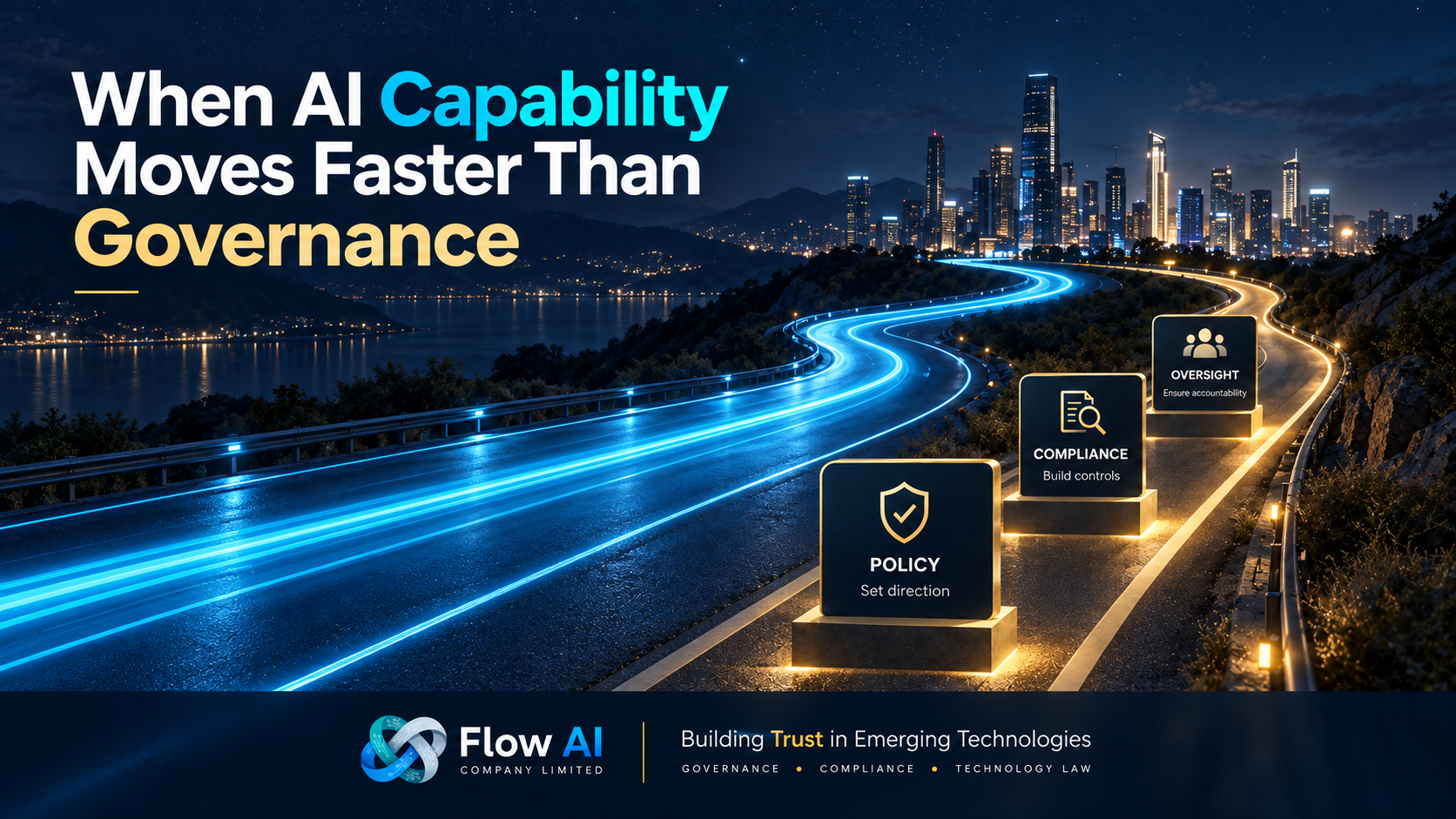
As frontier AI capabilities accelerate, organizations and AI developers need governance, safeguards, oversight, and evaluation mechanisms that can keep pace with evolving risks.
Compliance
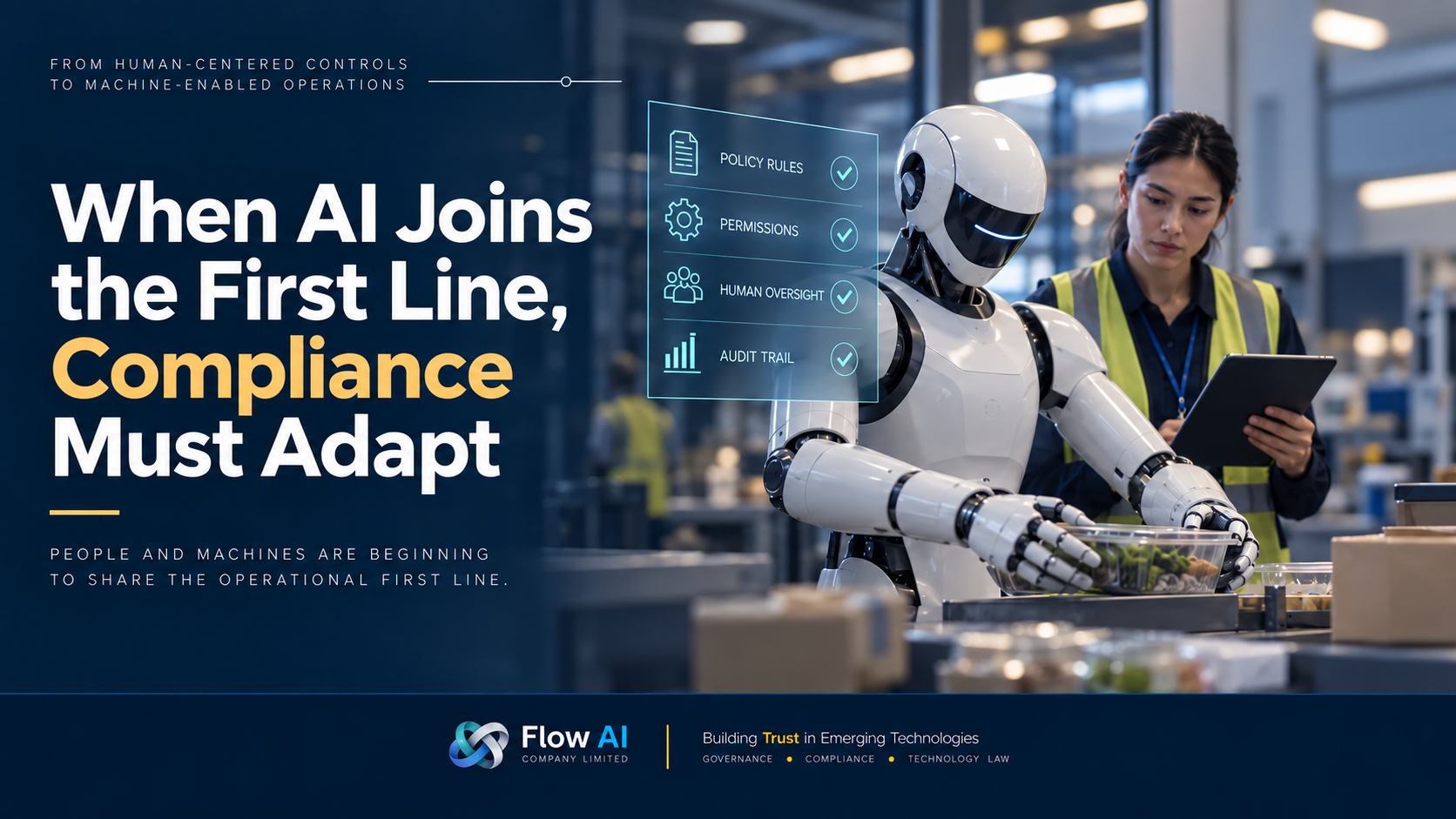
As AI begins to execute First Line activities, compliance programs must adapt from human-centered controls to governance over system permissions, monitoring, escalation, and accountability.
Governance
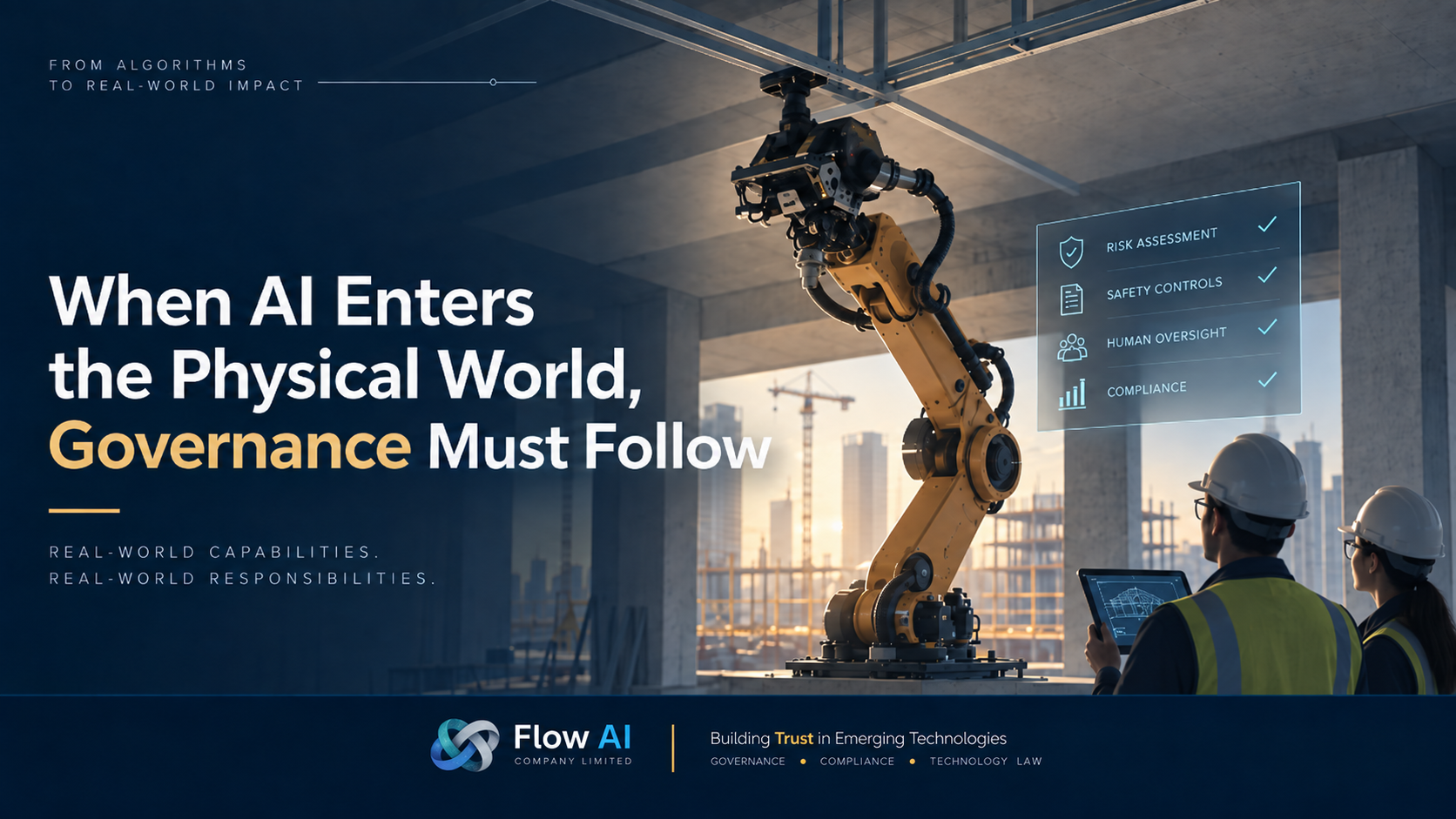
When AI begins to act in the physical world, governance must address automation decisions, human oversight, safety, intervention authority, accountability, and operational resilience.
Governance
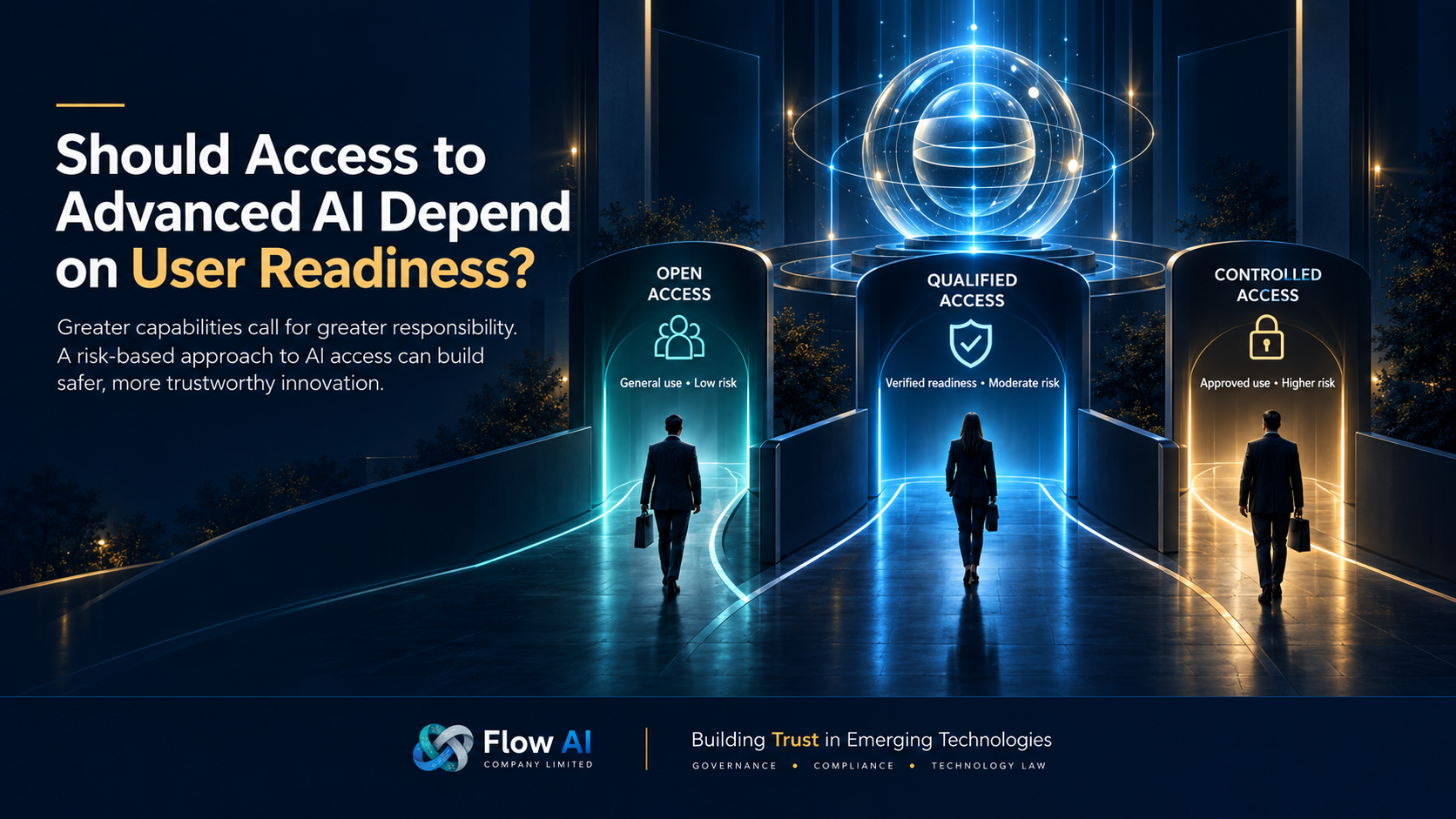
As AI capabilities become more powerful, organizations may need risk-based access models that consider use case, potential harm, user competence, and accountability.
Compliance
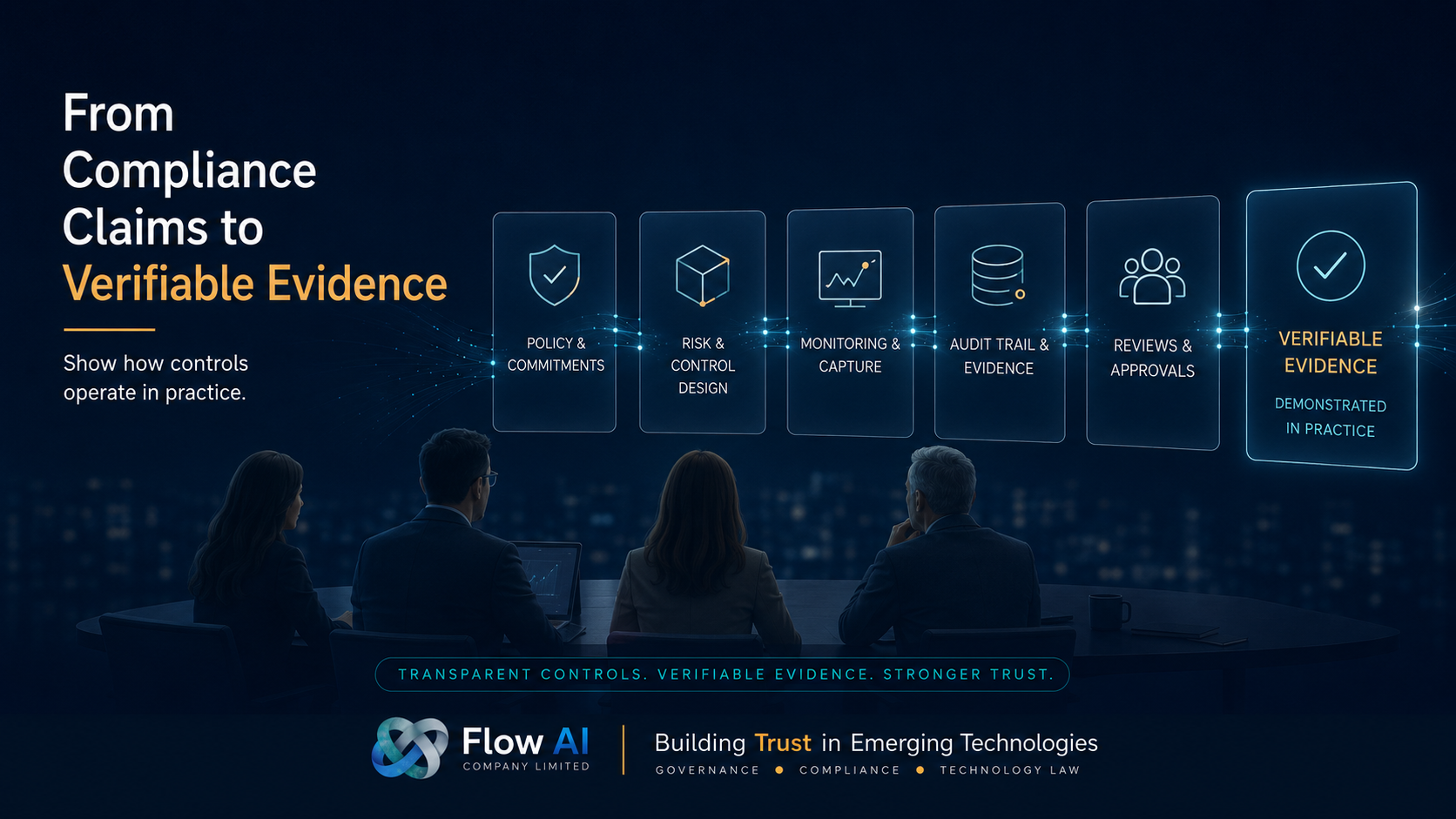
Trust in governance and compliance becomes stronger when organizations can demonstrate how controls operate in practice through evidence, monitoring, approvals, and audit trails.
Compliance
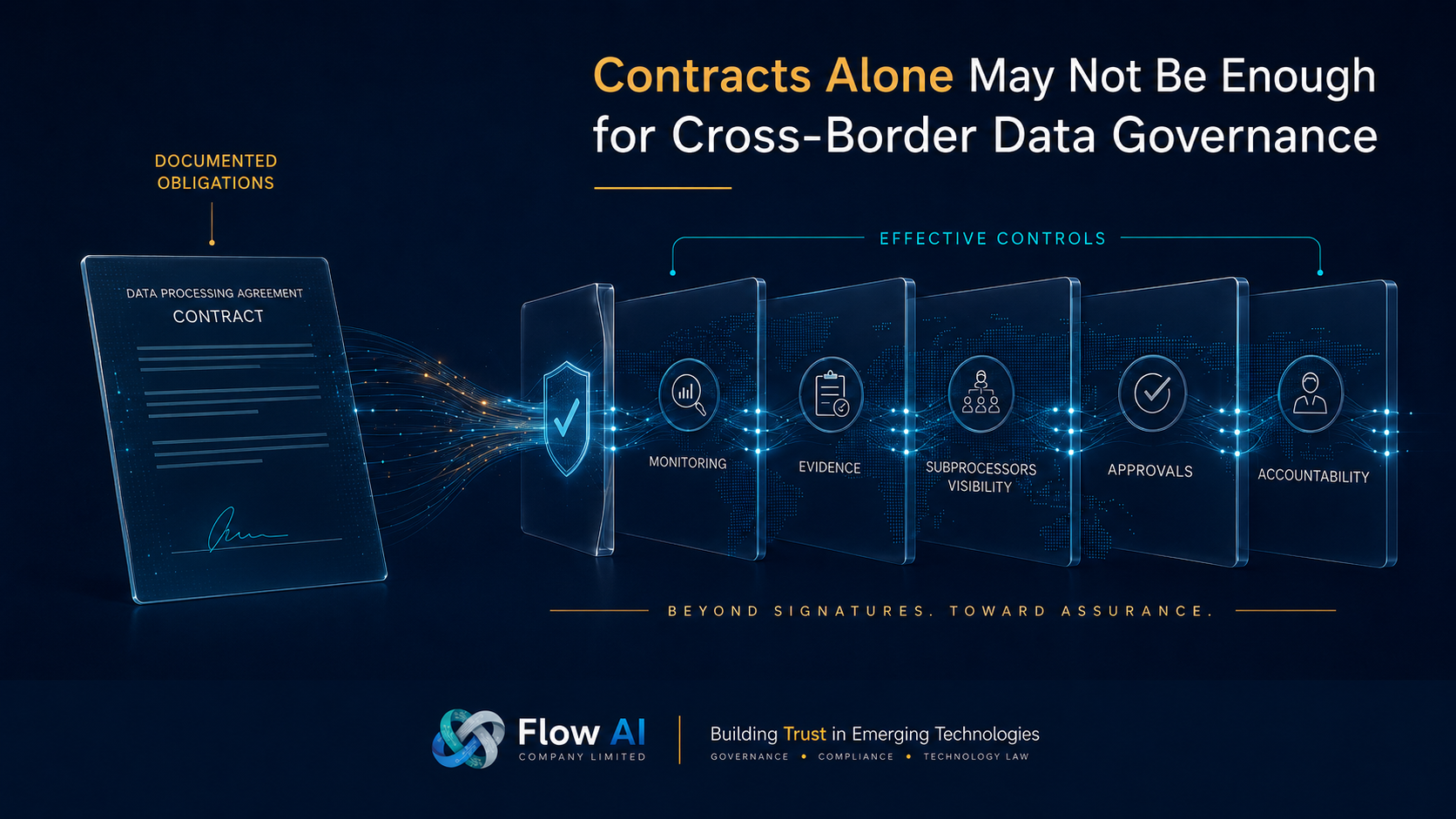
Contracts can define obligations for cross-border data governance, but organizations also need effective controls, monitoring, evidence, and accountability to show those obligations work in practice.
Discuss your organization’s governance, compliance, or technology-law with Flow AI.
Request a Briefing