Governance
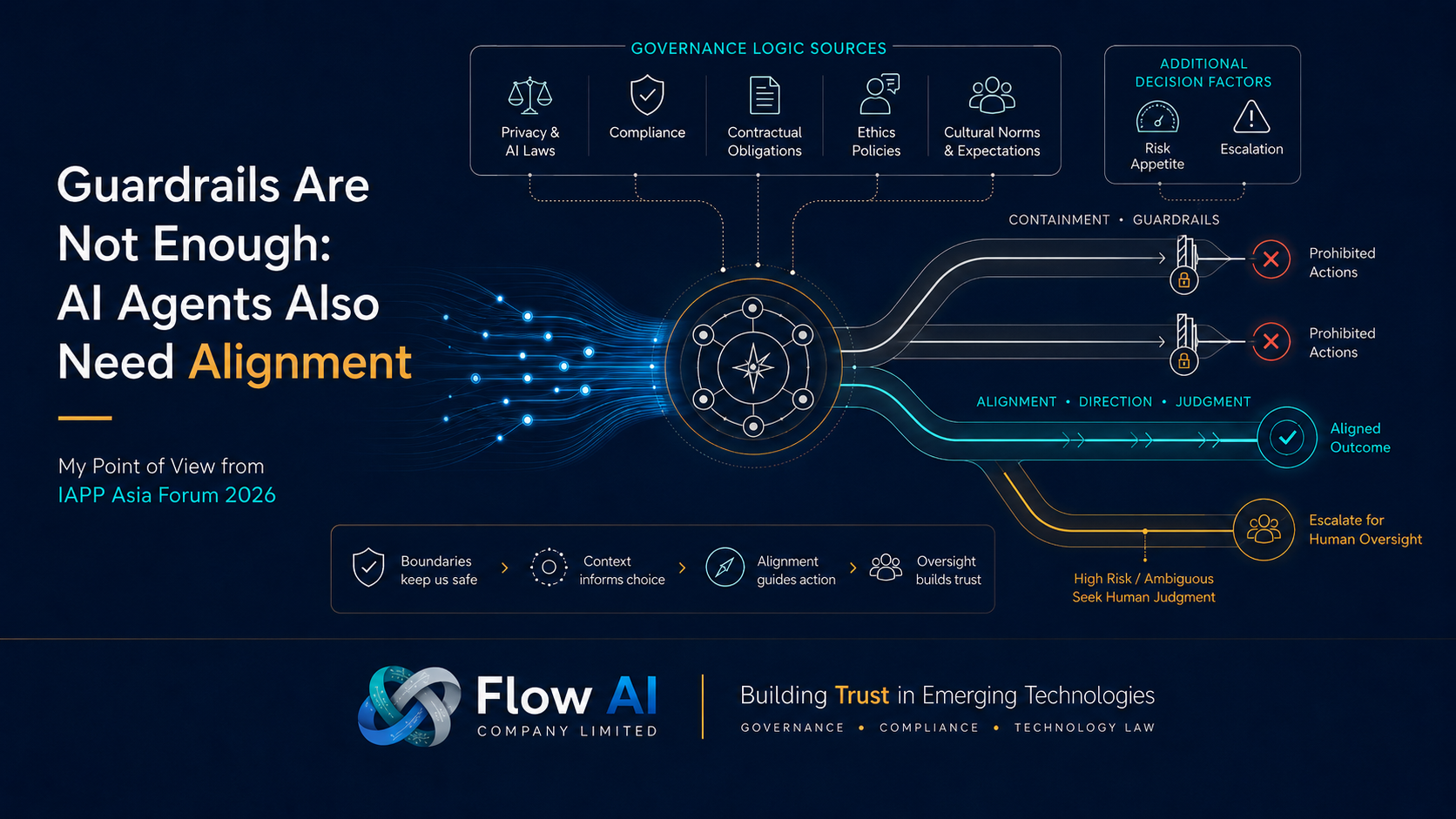
Guardrails Are Not Enough: AI Agents Also Need Alignment
Guardrails define what AI agents must not do. Alignment helps them decide what they should do when multiple actions are permitted but only some fit organizational expectations.
INSIGHTS
Insights and executive perspectives on governance, compliance, technology law, and the responsible adoption of emerging technologies—with artificial intelligence as the current priority domain.
EXPLORE BY CATEGORY
GOVERNANCE INSIGHTS
Governance
Guardrails define what AI agents must not do. Alignment helps them decide what they should do when multiple actions are permitted but only some fit organizational expectations.
Governance
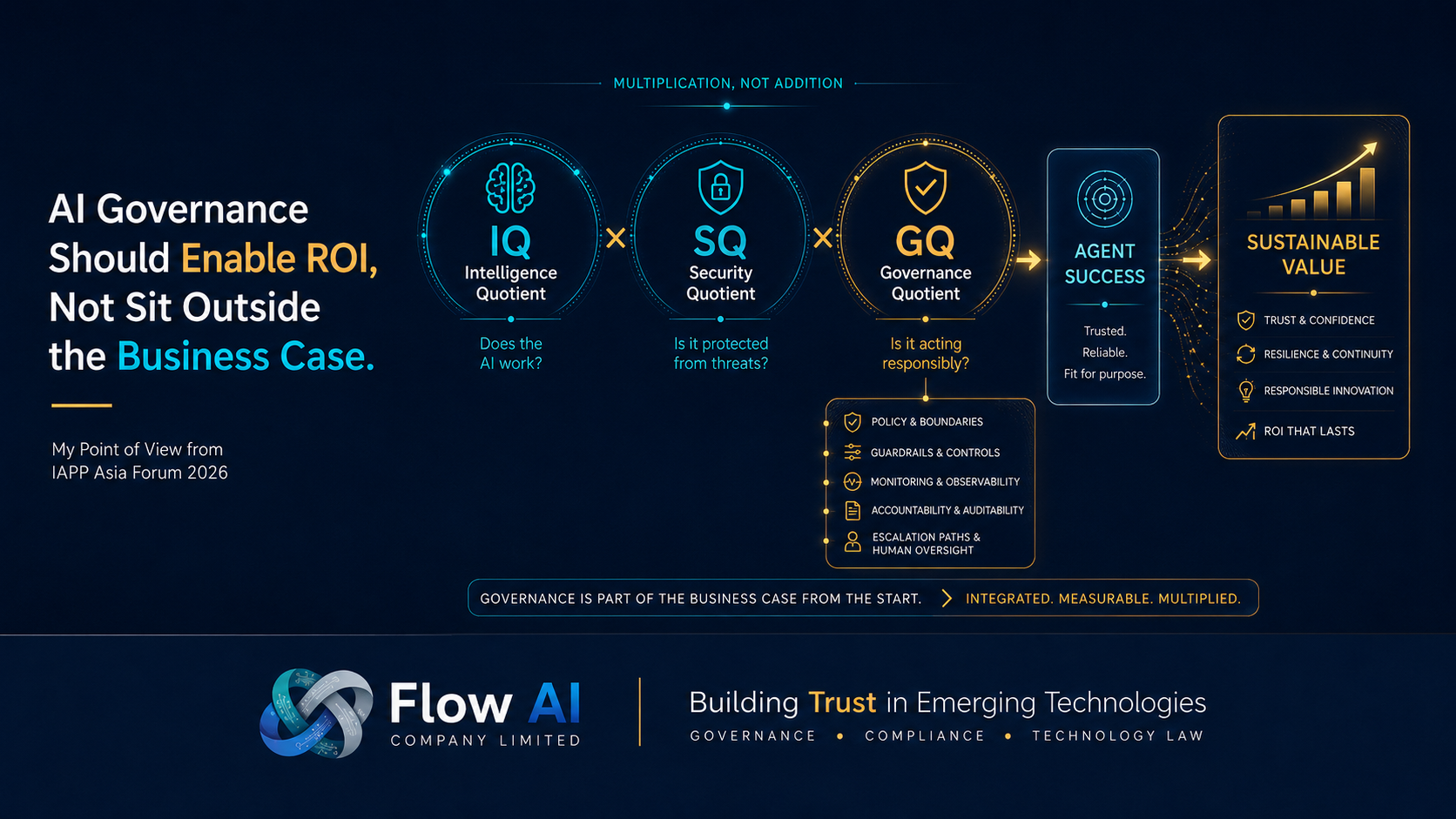
AI governance should not be treated as a barrier to innovation. It should be built into the business case to help protect value, trust, resilience, and sustainable ROI.
Governance
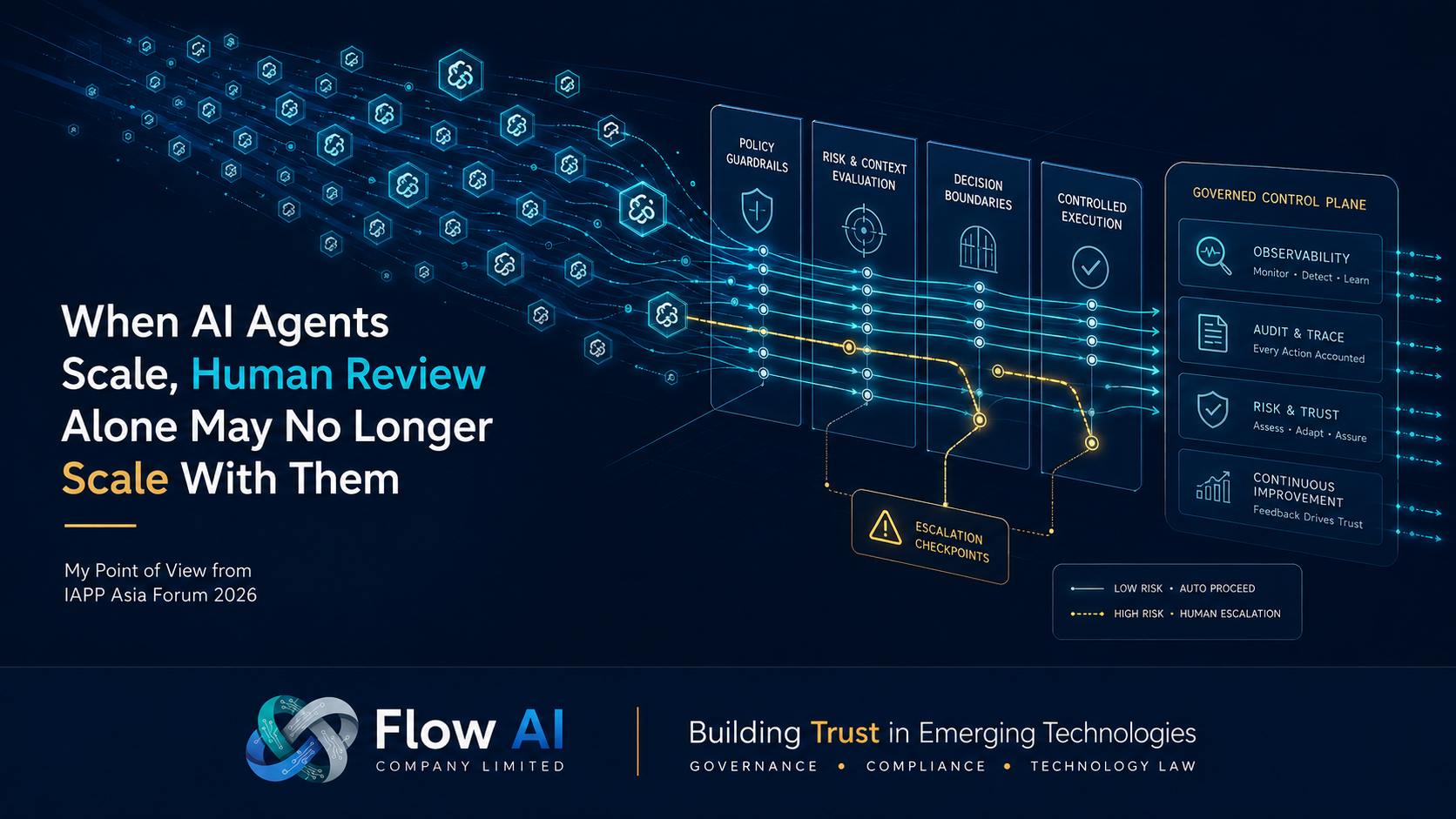
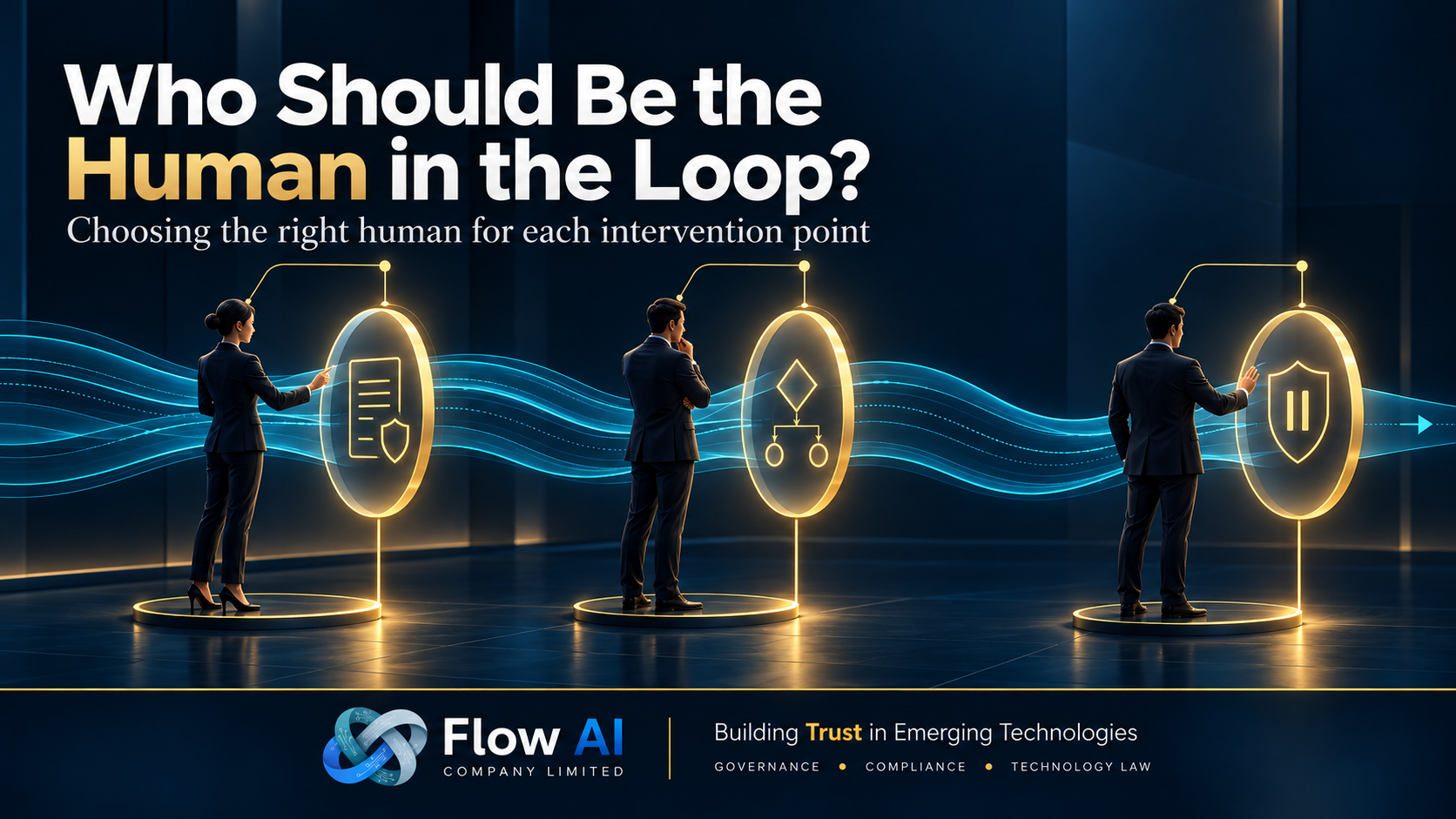
As AI agents operate at greater speed and scale, manual review cannot remain the primary control for every autonomous action. Governance must shift toward defined boundaries, continuous monitoring, risk-based escalation, and targeted human judgment.
Governance
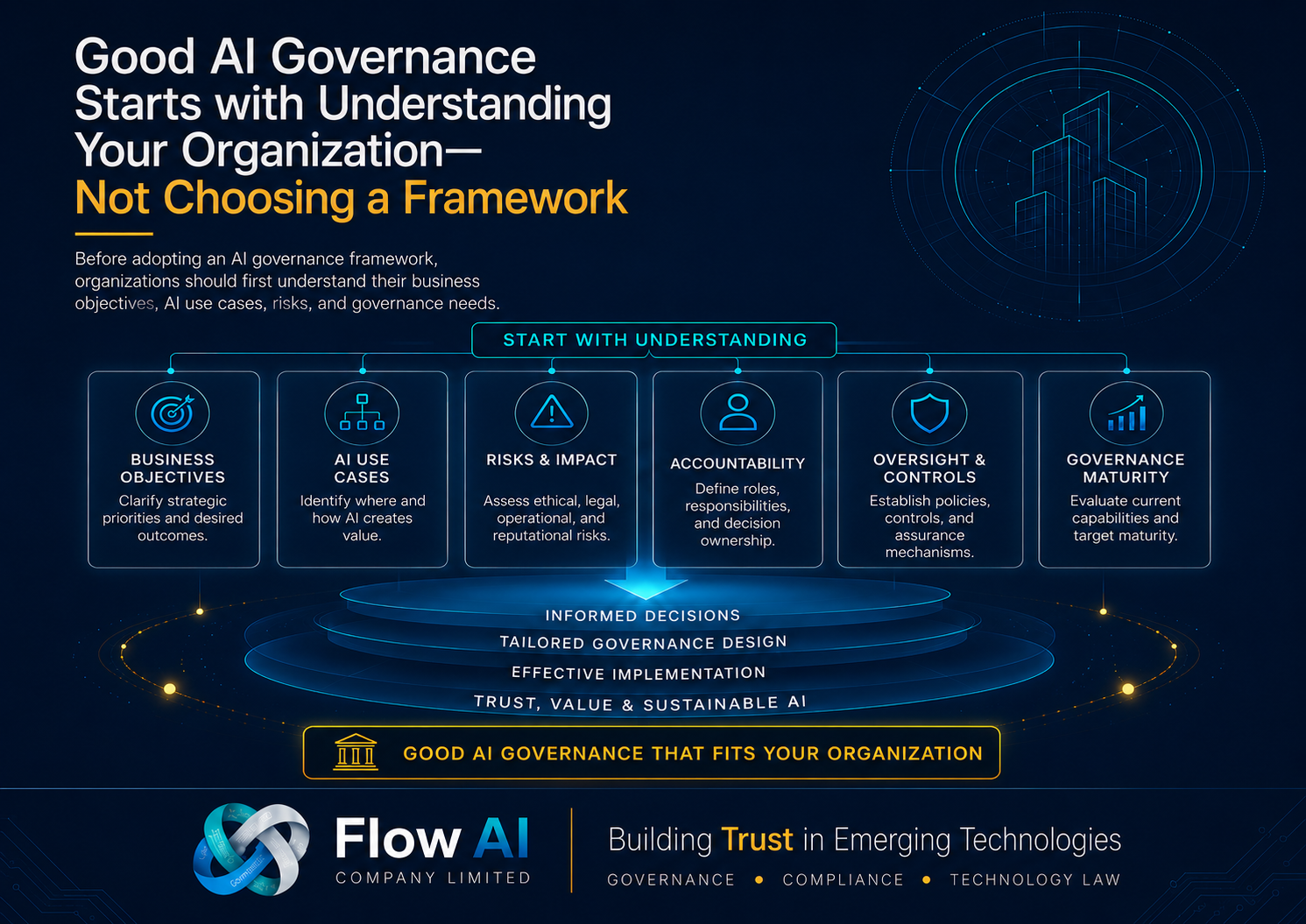
Before adopting an AI governance framework, organizations should first understand their business objectives, AI use cases, risks, accountability, and governance needs. Good AI governance should be risk-based, context-specific, and proportionate.
Governance
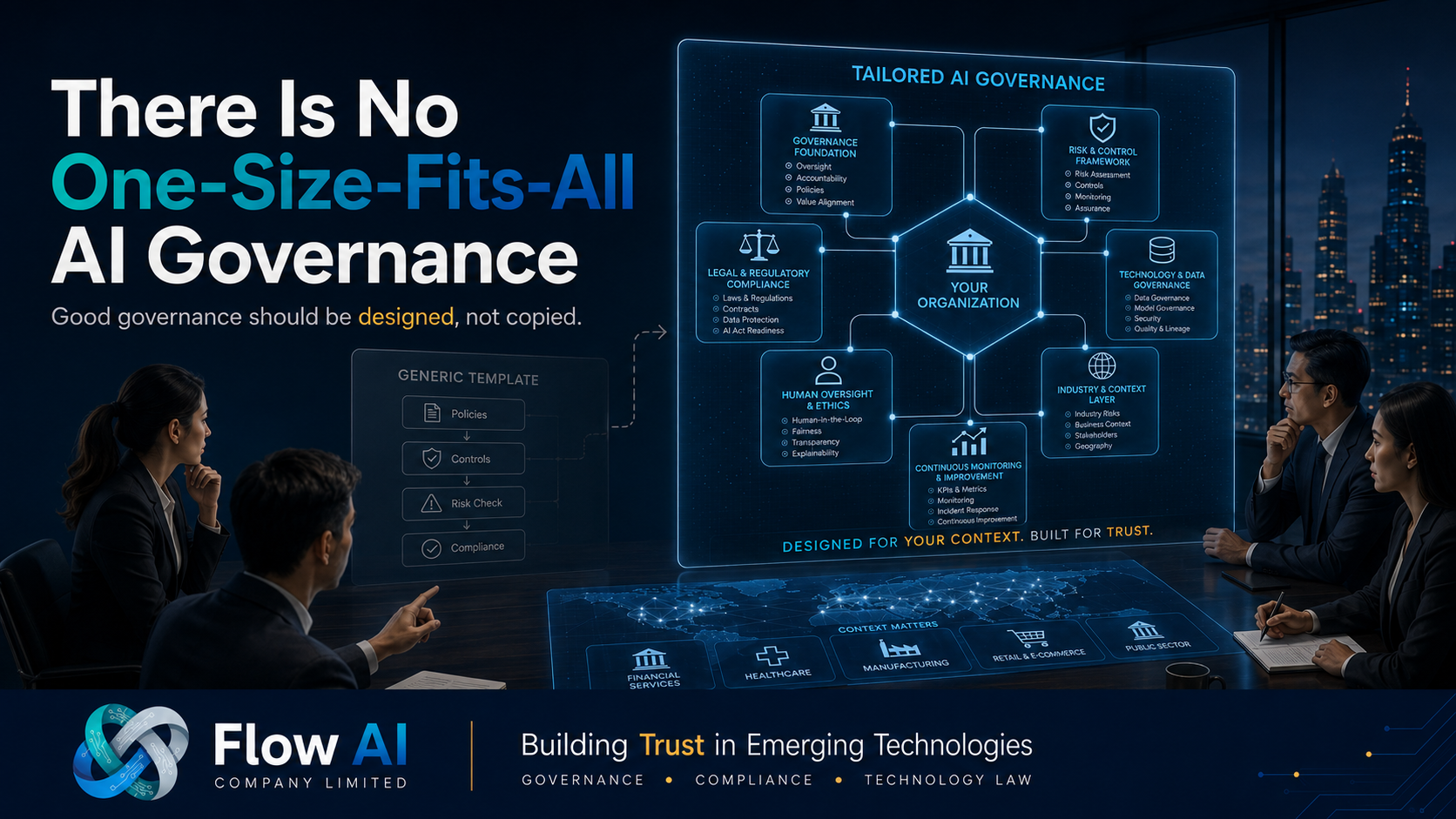
There is no one-size-fits-all approach to AI governance. Good governance is not created by copying another organization’s framework, but by designing practical controls that fit the organization’s real risks, context, and responsibilities.
Governance
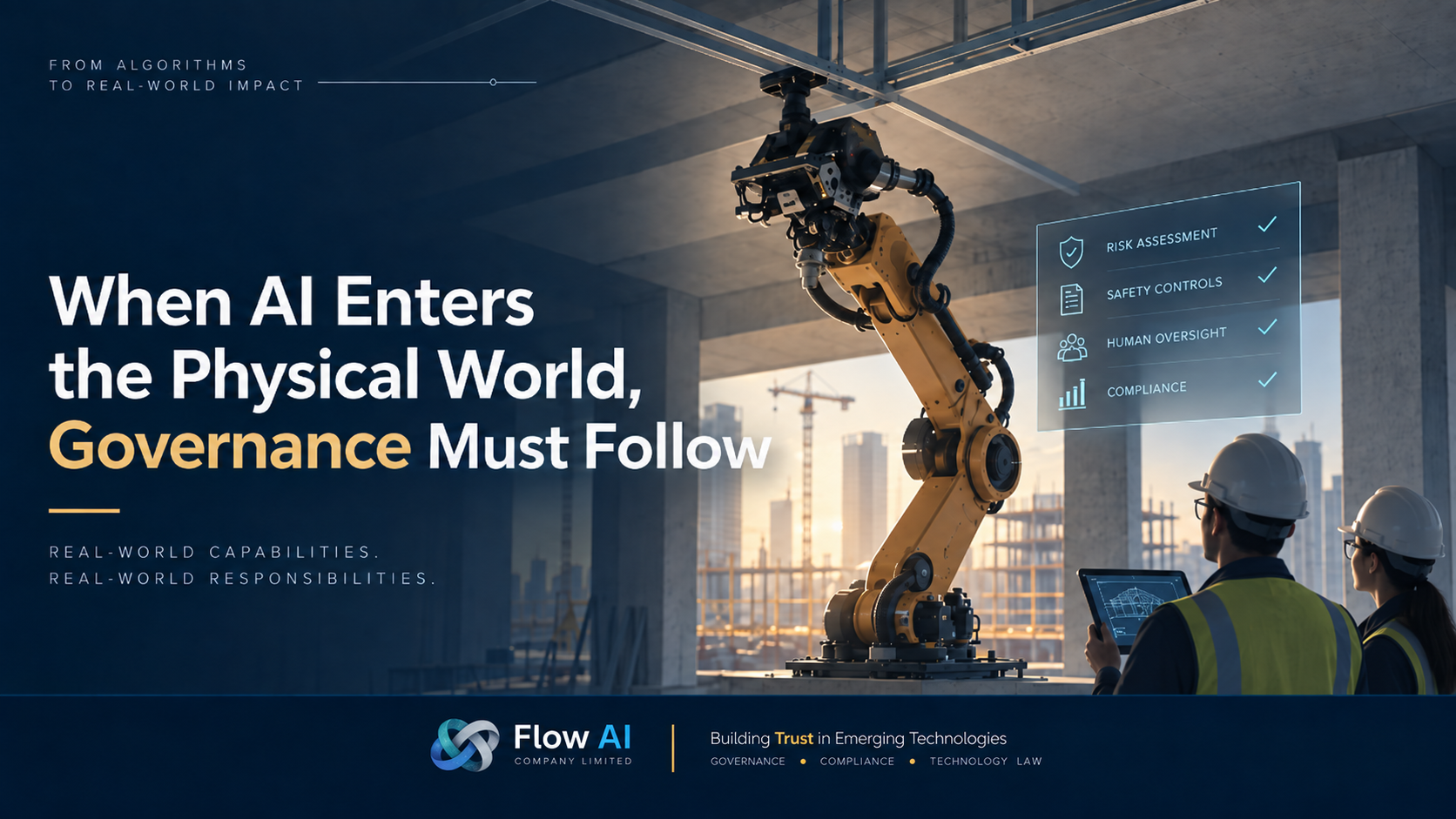
AI governance is evolving from governing individual AI models to governing increasingly autonomous AI agents. Organizations will need stronger operational governance, human oversight, and continuous monitoring to manage this next stage responsibly.
Governance
When businesses deprioritize governance and compliance, risk does not disappear. It accumulates through weaker oversight, reduced accountability, insufficient data governance, and greater exposure to AI-related and operational failures.
Governance
When governance is deprioritized at the policy level, digital trust and ecosystem resilience begin to erode. As AI advances, strong governance becomes even more essential—not less.
Governance
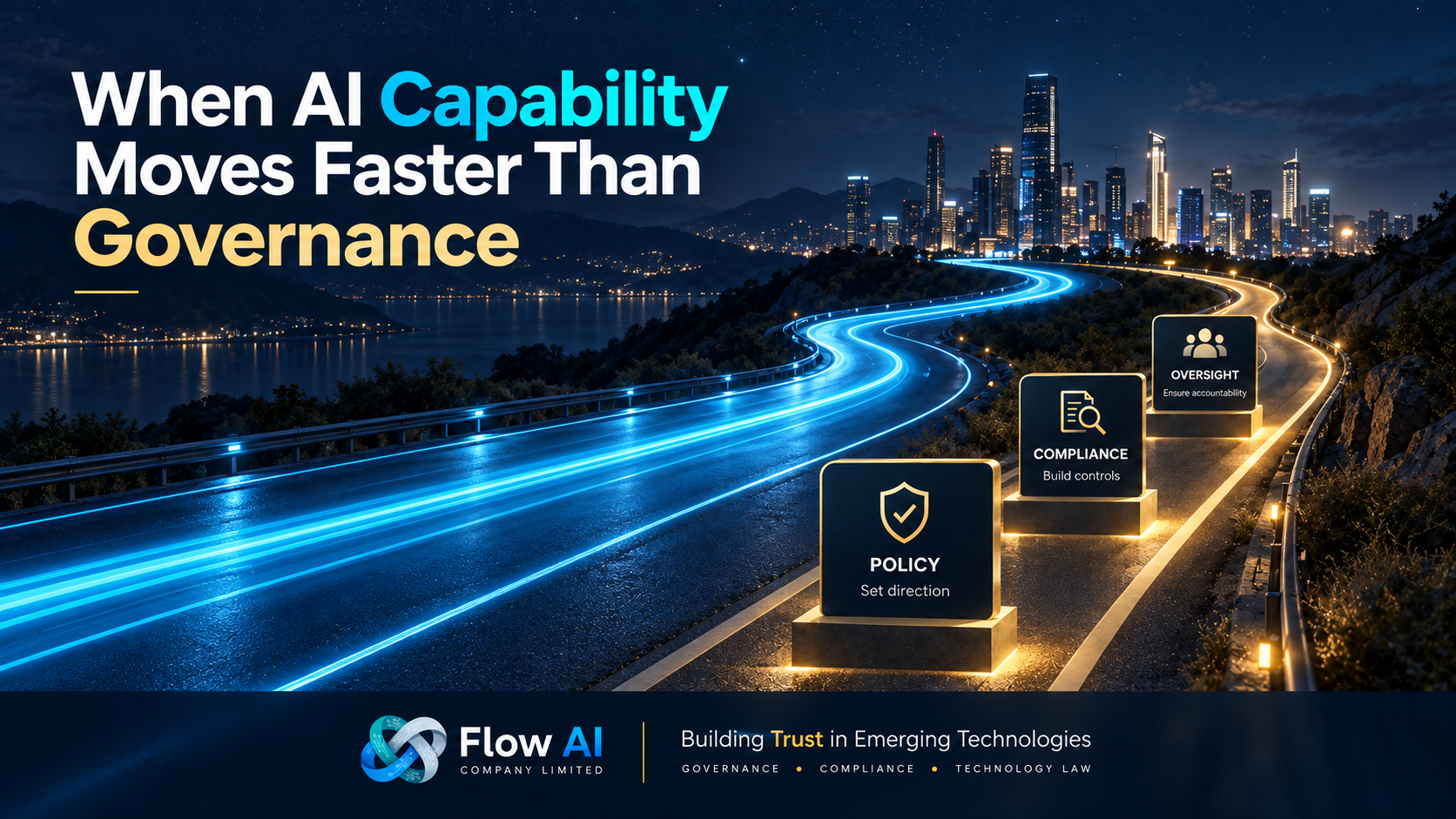
Changes to regulatory timelines should not delay good AI Governance. Organizations should build governance, accountability, evidence, and oversight before regulators ask them to prove it.
Discuss your organization’s governance, compliance, or technology-law with Flow AI.
Request a Briefing