Should Access to Advanced AI Depend on User Readiness?
We have spent years discussing responsible AI.
Perhaps we also need to start discussing responsible access to AI.
Today, advanced AI models such as GPT-6 Astra and Claude Fable 5.1 illustrate how quickly AI capabilities are progressing. These systems can research, write code, analyze complex information, interact with software, and perform tasks that once required significant professional expertise.
But access to increasingly powerful capabilities is available to people with very different levels of knowledge, experience, judgment and understanding of risk.
Some users understand privacy, intellectual property, cybersecurity, bias, accountability and the limitations of AI systems.
Others may not.
And sometimes harm does not come from malicious intent. It may come from someone using a powerful capability without understanding its consequences.
Over the past three years of working extensively with AI systems, I have become increasingly conscious of another gap:
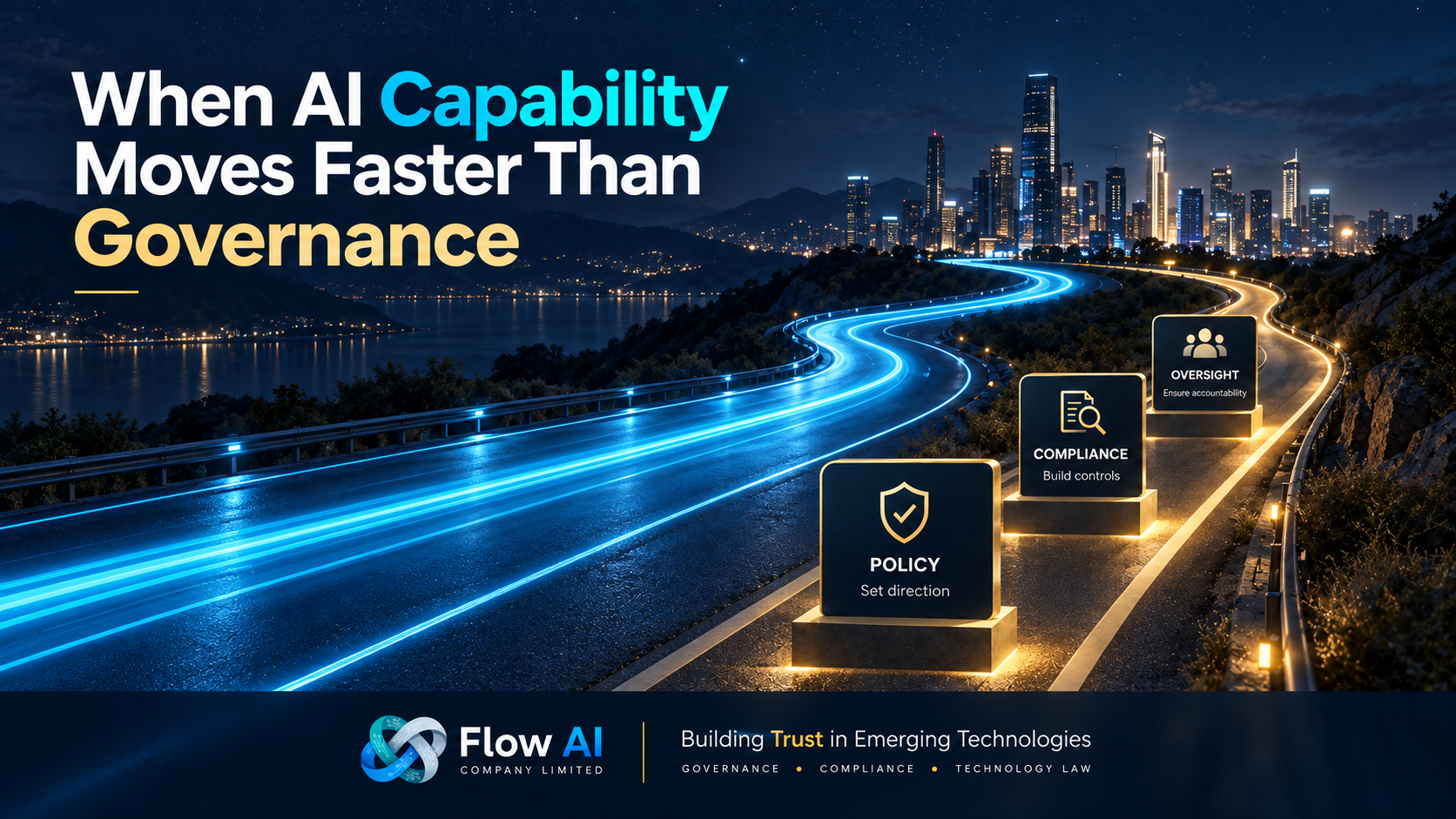
AI capability can advance much faster than governance, organizational controls and legal frameworks can adapt.
This raises a leadership question:
Should increasingly powerful AI capabilities always be available under the same conditions to everyone?
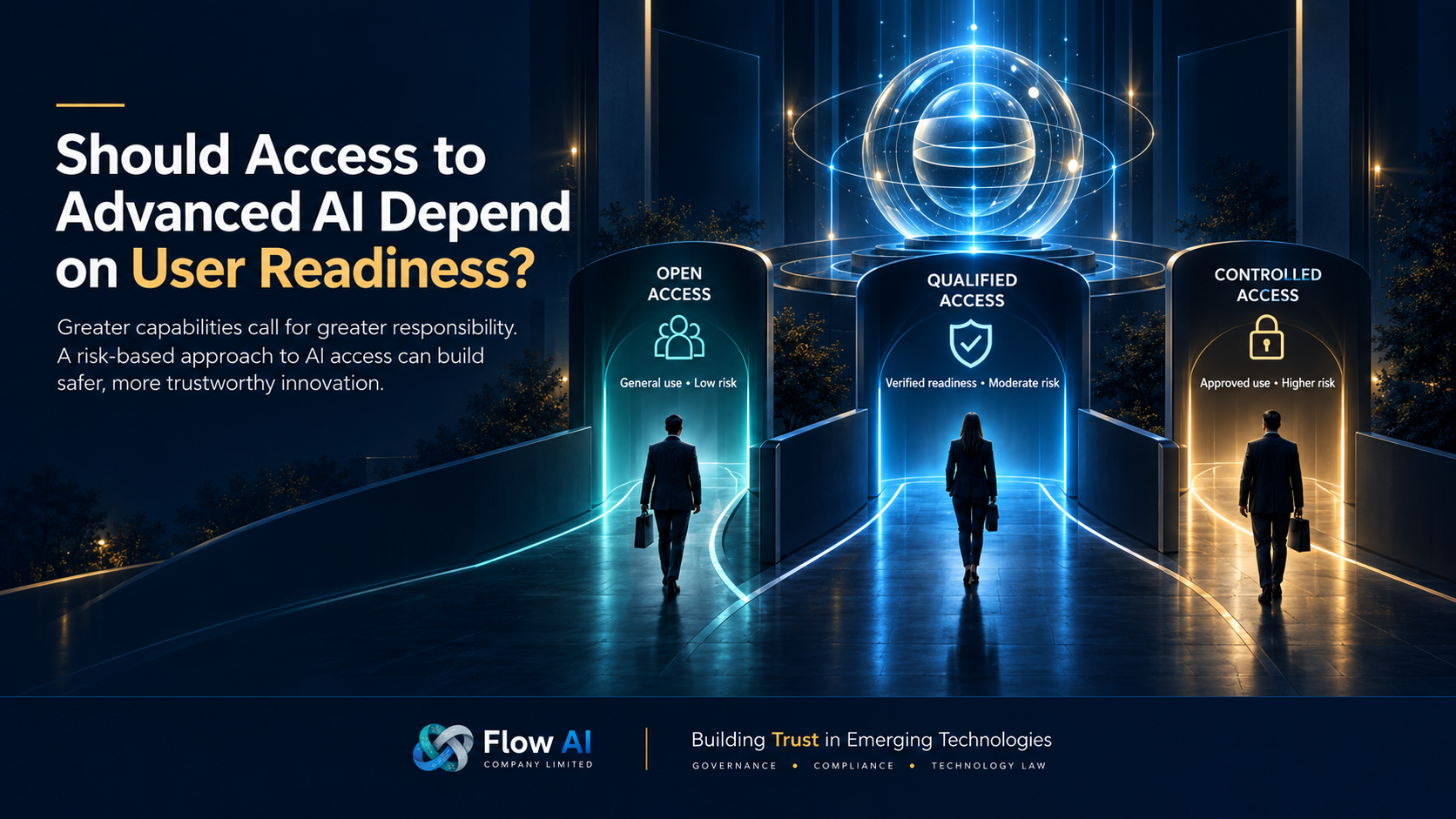
Perhaps access itself should become more risk-based.
Low-risk capabilities could remain openly accessible.
Capabilities with greater potential impact might require basic training or demonstrated understanding before access.
And highly consequential or dual-use capabilities may eventually justify stronger controls — such as verified identity, specialized training, organizational authorization, monitoring or other safeguards.
This should not be about slowing innovation.
Nor should we assume that training alone guarantees responsible behavior.
The principle is simpler:
The greater the potential risk and harm of a capability, the stronger the conditions around access may need to become.
For organizations, a practical starting point may be to review whether access to advanced AI capabilities should be differentiated by use case, potential harm, user competence and accountability — rather than assuming that every approved user should have the same level of access.
AI governance has largely focused on what organizations and AI systems should be allowed to do.
As AI becomes more powerful, perhaps we also need to ask:
Who should be able to access certain capabilities, under what conditions, and with what level of competence and accountability?
Responsible AI may eventually require something more than responsible development and responsible use.
It may also require responsible access.
For a fuller discussion of this perspective, you can listen to the 10-minute Flow AI podcast here: https://youtu.be/kNVO7pZoaDE