What is AI Governance?
Many people have heard of Generative AI or Agentic AI, but far fewer are familiar with the term AI Governance.
As someone working in the field of AI Governance and a personal member of the International Association of Privacy Professionals (IAPP), I have had the opportunity to study the Artificial Intelligence Governance Professional (AIGP) body of knowledge, which brings together internationally recognized concepts and best practices in AI Governance.
One thing I have observed is that AI Governance is becoming an increasingly important topic for organizations around the world.
In Thailand, however, many organizations are still at the early stages of understanding what it really means.
AI Governance is not a type of AI, nor is it the name of a product or application.
Rather, AI Governance is the framework that helps organizations develop, deploy, and manage AI systems in a responsible, transparent, and risk-aware manner, while ensuring that meaningful human oversight remains in place where it matters most.
Today, organizations across the globe are increasingly using AI in processes that can have a significant impact on people's lives, such as:
• Credit assessment
• Employee recruitment and selection
• Public benefit eligibility decisions
• Business decision support
The key question should not be only:
"How much faster can AI work, or how much cost can it reduce?"
Organizations should also ask:
• Are the outcomes fair?
• Can the decisions be explained?
• Who is accountable when something goes wrong?
• Are AI-related risks being managed appropriately?
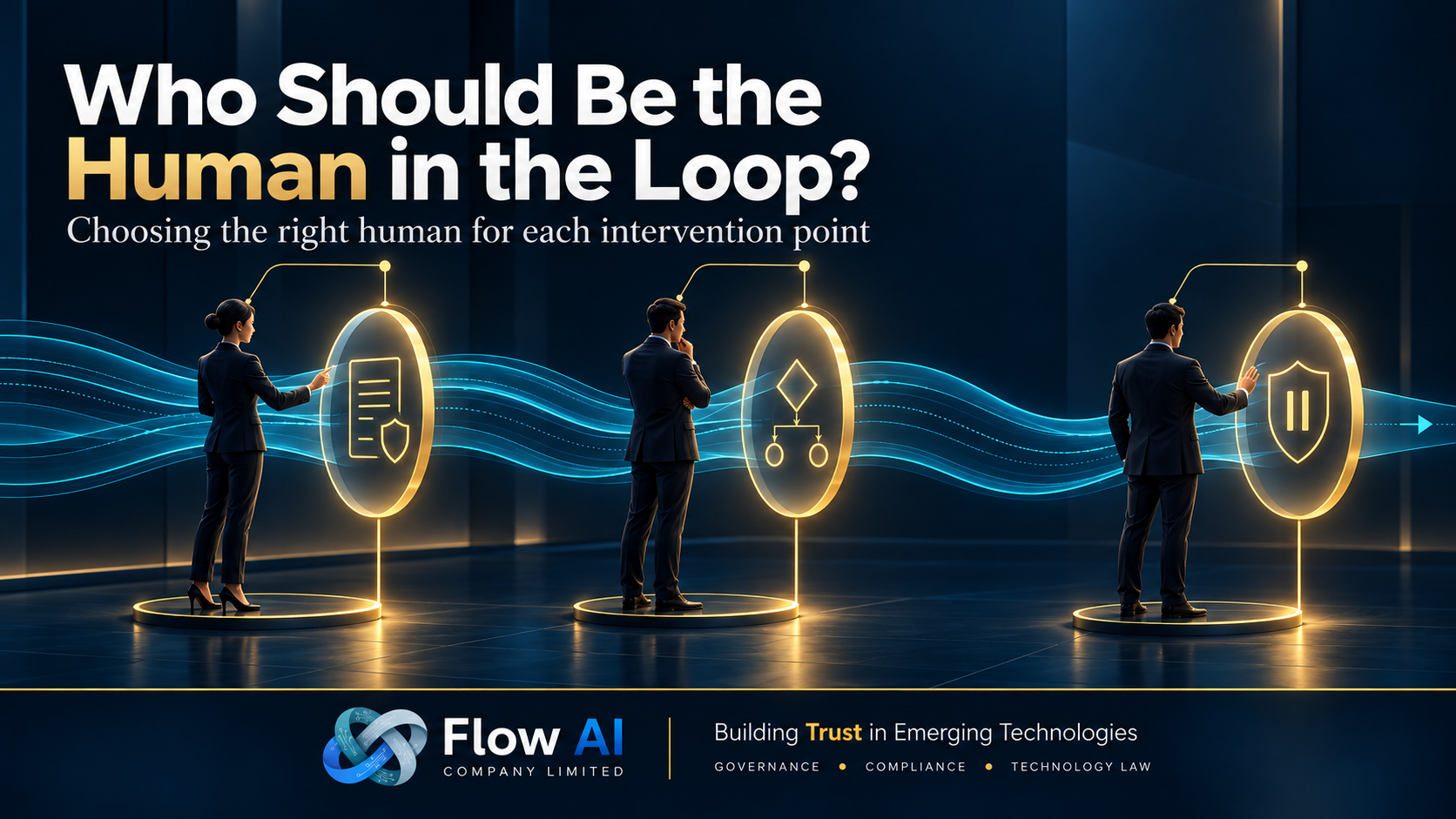
• Is there meaningful human oversight at critical decision points?
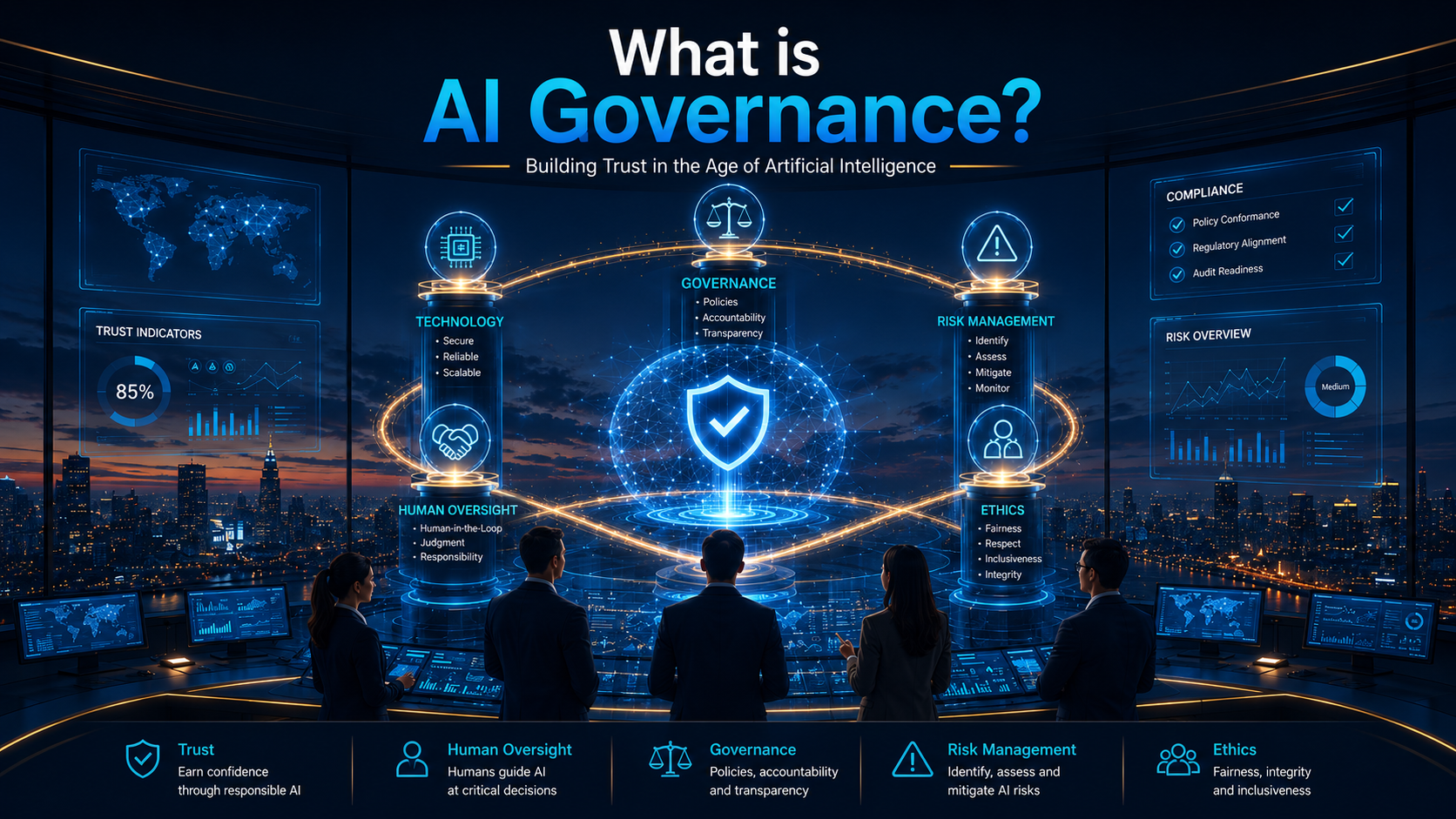
For me, AI Governance is not simply about technology, law, or compliance. It is the point where Technology + Governance + Risk Management + Ethics + Human Oversight come together.
I believe that in the future, organizations that can build trust in the use of AI will earn greater confidence from customers, investors, employees, and society than those that focus only on adopting AI as quickly as possible.
Ultimately, building trustworthy AI is not the responsibility of AI providers, deployers, users, auditors, regulators, or any single participant across the AI value chain. It is a shared responsibility among all stakeholders throughout the AI lifecycle.
If we want AI to create sustainable value for both business and society, we must build systems that combine effectiveness, trustworthiness, and appropriate governance.