Governance & Compliance: Both a Science and an Art
As a licensed lawyer and a current participant in the Compliance & ESG Program organized by the Lawyers Council of Thailand Under the Royal Patronage, I have been reflecting on a question that many organizations face:
How can we uphold governance and compliance standards without creating obstacles to business success?
Over the past 30 years, I have worked across multiple functions and industries, serving in roles ranging from employee and manager to executive and business owner.
One pattern has consistently stood out to me:
Compliance is easy when there is no pressure. It is truly tested when business objectives become urgent.
I have seen this happen in many forms:
• During ISO audits, documentation is complete and every checklist is signed. After the audit, few people revisit the SOPs.
• Employees complete cybersecurity training and update their passwords. Months later, old habits return.
• When new privacy regulations are introduced, everyone pays attention. Over time, compliance standards often begin to fade.
• In financial services, sales professionals are expected to recommend products that align with their customers' needs and financial circumstances. Yet when organizations become heavily focused on sales targets, the pressure to sell more can sometimes outweigh the principle of customer suitability, creating tension between commercial success and responsible conduct.
These situations are rarely the result of bad intentions.
More often, they reveal the tension between governance requirements and business realities.
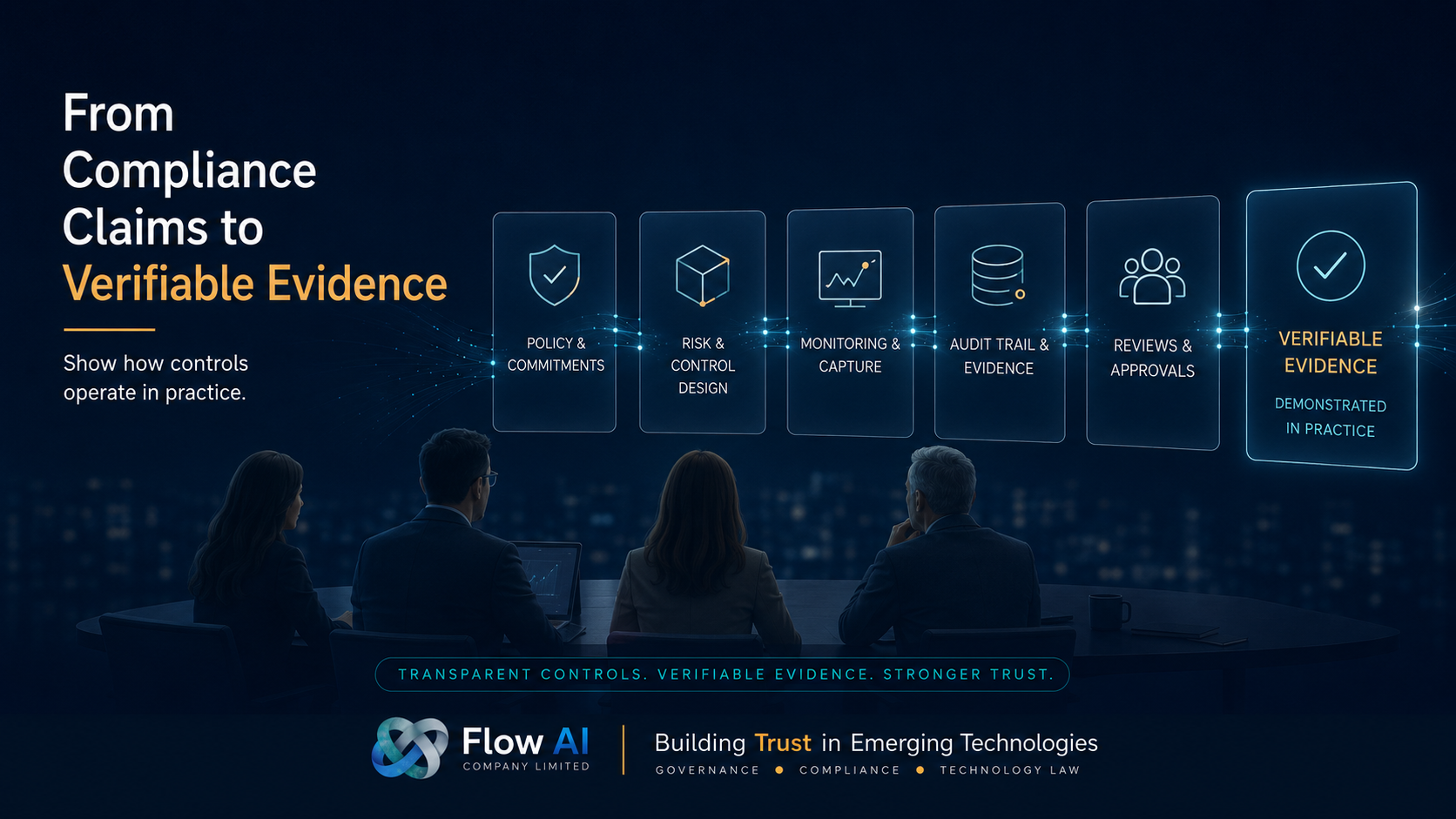
In my view, effective Governance & Compliance is not simply about creating more policies or stronger controls.
It is about designing systems that help people continue to do the right thing—even when they are under pressure to achieve business goals.
That is why I believe Governance & Compliance is both a science and an art.
The science lies in laws, regulations, frameworks, and controls.
The art lies in understanding people, organizational culture, and the realities of running a business.
The real challenge is bringing these two worlds together.